The Best Suit Colors forCool Undertones
Cool undertones — the pink, blue, or rosy pigment beneath your skin — give you a natural advantage in suiting. The most classic, authoritative suit colors in existence lean cool: true charcoal, crisp navy, sharp black. But that advantage only works if you choose the right temperature within those shades. A warm-cast navy or brown-grey charcoal quietly undermines the very crispness your coloring is built for. This guide covers every suit shade that flatters cool undertones, from structured workwear to summer linen and bold occasion pieces.
Discover Your ColorsWhy Undertone Temperature Matters in Suiting
A suit sits against your body for hours. Unlike a scarf you drape for ten minutes, the color temperature of a suit has a cumulative effect on how your skin reads. Cool undertones have blue or pink pigment beneath the surface. When a suit shares that cool temperature — true grey, blue-based navy, crisp black — your complexion looks clear, bright, and well-defined. The fabric and the skin reinforce each other.
When the suit temperature clashes — warm camel, golden khaki, orange-brown rust — the effect is the opposite. Your skin can look grey, sallow, or muddy because the warm fabric highlights every cool tone in an unflattering way. This is not subtle. Colleagues may not name the problem, but they register it as 'something looks off today.' The wrong suit temperature quietly drains your presence.
Cool undertones span a wide range of skin depths — from very fair with pink tones to deep complexions with blue-cool undertones. The principle is the same across all depths: match the cool temperature of your skin with cool or neutral suit fabrics. Your specific season and contrast level determine whether you need high-contrast pairings or softer tonal combinations.
Your Best Suit Colors for Cool Undertones
True Navy and Deep Blue
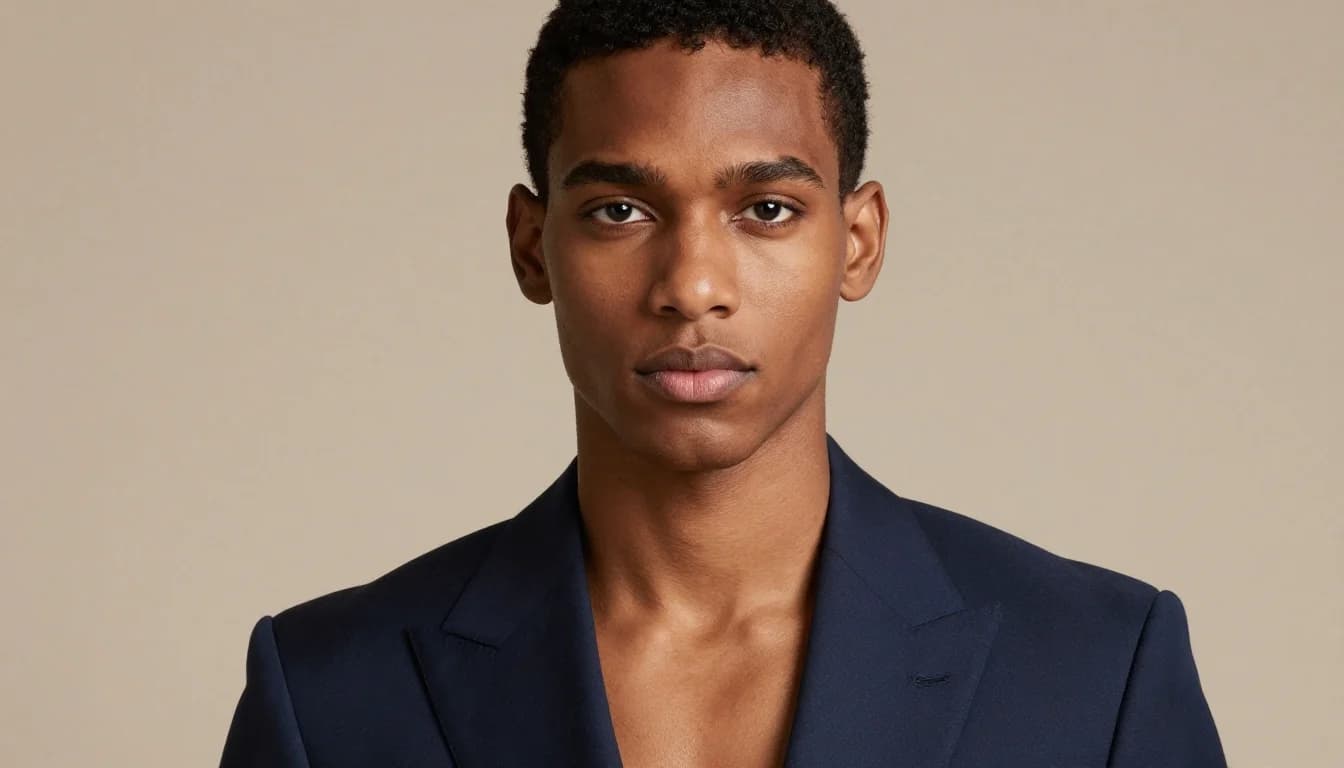
Navy is the single most versatile suit color for cool undertones. The blue base of a true navy aligns perfectly with the blue-pink pigment in cool skin, creating a clean, sharp combination. Look for navies that read clearly blue in natural light — not teal, not warm. Midnight blue is the evening powerhouse. French navy covers every daytime context from interviews to client meetings.
Charcoal and Cool Grey
Pure charcoal with a blue or silver cast is one of the strongest suit colors for cool-toned people. It creates structured contrast without the severity of black and works across every professional setting. The key distinction is temperature: you want grey that reads cool and silver-toned, not grey with a brown or olive warmth. Slate grey is the weekend version — slightly lighter, equally flattering.
Cool Jewel Tones
Cool jewel tones are where cool undertones truly shine. Deep plum — a purple with enough blue to read as cool rather than warm — looks commanding and distinctive against cool complexions. Sapphire blue offers a bolder alternative to navy. Cool teal works for creative contexts. Each of these has a blue base that aligns with your skin temperature, so the color reads as intentional rather than jarring.
Black and Near-Black
Cool undertones carry black better than any other undertone type. The inherent coolness of black aligns with your skin rather than draining it. A black suit for a formal event, a very dark navy for high-stakes meetings, or an off-black for evening — these deep cool tones frame cool complexions with authority. If you have high contrast in your natural coloring, this range is especially powerful.
Ready to Find Your Best Colors?
Get Your Color AnalysisHow to Build a Suit Wardrobe Around Cool Undertones
Start with two essentials
Your first suit should be true navy — it covers interviews, client dinners, weddings, and daily wear. Your second should be charcoal in a cool-cast grey. With these two, you handle every professional scenario while staying in temperature harmony with your skin. Check fabrics in natural light before buying: hold the cloth near your jawline and confirm your skin looks clear, not grey.
Shirt pairings that amplify cool undertones
Crisp white and pale ice blue are your strongest shirt options. White creates high-contrast authority against navy or charcoal. Pale blue softens the look while maintaining cool temperature harmony. Cool lavender works for creative settings. Avoid ivory and cream — the yellow warmth clashes with both your cool suit and your cool skin, creating a subtle but persistent discord.
Accessories and finishing details
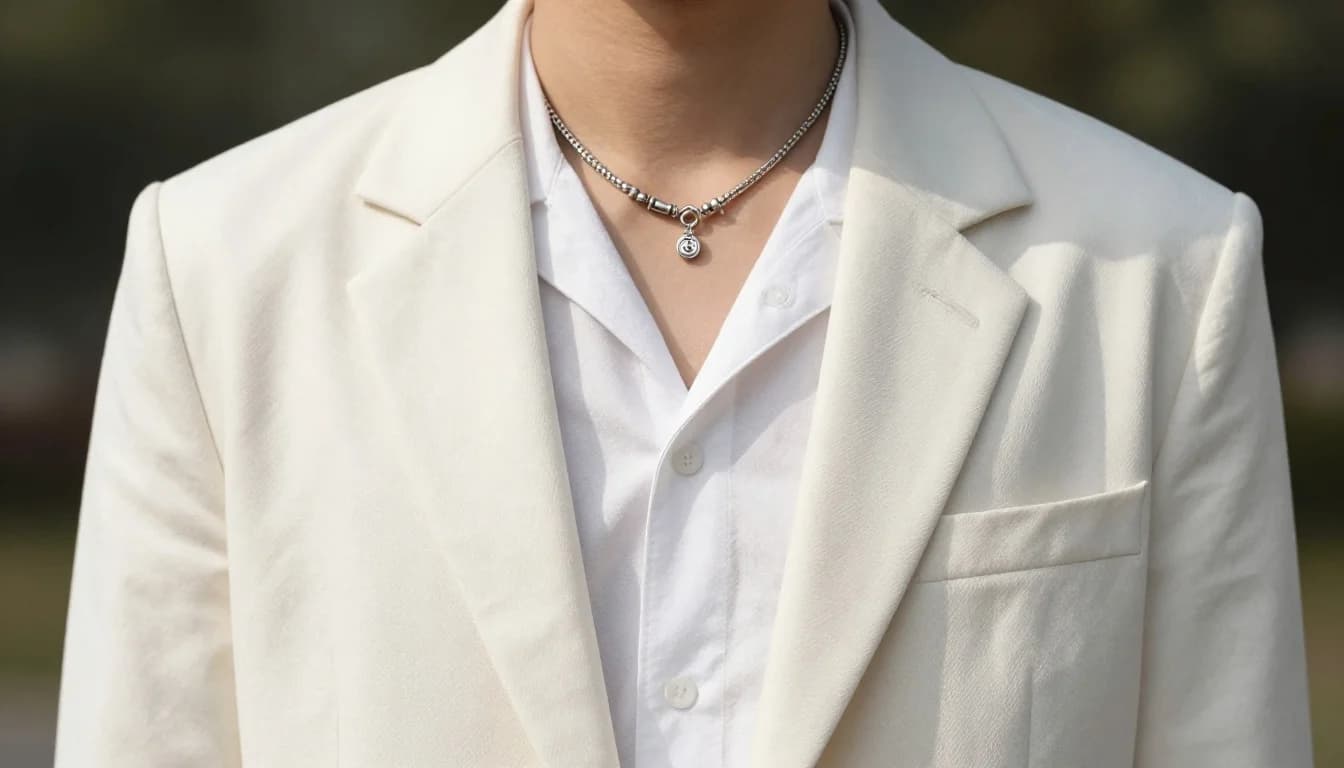
Silver and white-gold jewelry, platinum-toned cufflinks, and cool-toned leather (black, deep oxblood, cool dark brown) complete the look without introducing warm temperature clashes. A deep navy, cool burgundy, or silver-grey silk tie anchors the eye. Skip gold accessories and cognac leather — they introduce warmth that breaks the cool coherence you are building.
Warm-weather suiting
Summer suits do not need to be warm-toned. Cool stone linen, light silver-grey tropical wool, and pale blue cotton suit cool undertones beautifully in heat. These lighter cool neutrals maintain temperature alignment while reading as seasonally appropriate. A cool-toned pocket square in dusty blue or soft plum adds dimension without weight.
Suit Colors That Work Against Cool Skin
Warm camel and golden tan
Camel and tan carry golden warmth that conflicts directly with cool undertones. The temperature mismatch makes cool skin look grey or washed out rather than polished. If you want a lighter neutral suit, choose cool stone or silver-grey instead — same lightness, aligned temperature.
Warm brown and cognac
Rich warm browns — cognac, chocolate with an orange cast, warm espresso — belong to the warm-toned palette. Against cool skin, they create a visible disconnect where neither the suit nor the complexion looks its best. If you want depth beyond navy and charcoal, reach for deep plum or cool-cast dark brown instead.
Olive, khaki, and yellow-greens
Olive green and khaki sit on the warm side of the spectrum. The yellow-green undertone clashes with the blue-pink quality of cool skin, often making the complexion look flat or sallow. Cool-toned greens — teal, forest green with a blue cast — deliver the same earthy sophistication without the temperature clash.
Rust and terracotta
Rust and terracotta are warm-season statement colors that look stunning on golden and olive complexions. On cool skin, they read as a temperature mismatch at maximum volume. For a bold statement suit, deep plum, rich sapphire, or cool burgundy give you the drama without the clash.
Stop Guessing, Start Wearing Your Colors
Discover Your PaletteSuit Color Upgrades for Cool Undertones
Small temperature shifts that make your complexion look sharper and your outfit more polished.
Cool-cast charcoal aligns with your undertones and looks crisper. Warm-cast charcoal introduces a temperature mismatch that dulls your complexion over a full day.
Stone and dove grey provide the same neutral lightness without the golden warmth that clashes with cool skin.
Cool-based jewel tones carry enough blue to align with cool undertones. Warm burgundy and cognac create visible temperature conflict.
Cream carries yellow warmth that sits wrong against cool skin. Cool white or silver-grey maintains alignment and looks fresher.
Cool-toned patterns reinforce the crispness of cool undertones. Warm earth-toned patterns introduce conflicting temperature into the outfit.
The distinction matters at high stakes. A true cool navy frames your face cleanly. A warm-shifted navy creates subtle but noticeable discord.
Which Cool Season Shapes Your Palette?
Cool undertones appear across multiple color seasons. Your specific season — determined by your depth, contrast, and how muted or clear your coloring is — gives you the precise suit shades within the cool spectrum.
Cool Winter
Learn moreHigh contrast with cool undertones — dark hair against light or medium skin, striking eye color. Your suit palette is the most powerful: pure black, midnight navy, sharp charcoal. You handle bold jewel tones like sapphire and plum better than any other season.
Cool Summer
Learn moreSofter contrast with cool undertones — ashy hair, muted eye color, light-to-medium cool skin. Your suit palette is gentler: dove grey, soft navy, dusty blue-grey. Very dark, high-contrast suits can overwhelm your coloring; medium-depth cool tones are your strength.
Bright Winter
Learn moreCool with exceptional clarity — vivid eyes, clear skin, and dramatic contrast. You carry saturated suit colors with ease: bright navy, true black, jewel-tone accents. Muted or dusty shades fall flat on your coloring; crisp, clear, and high-contrast is your lane.
Find Your Exact Suit Palette
Cool undertones give you a head start with the most authoritative colors in suiting — but the exact shades depend on your depth, contrast level, and seasonal palette. A personalized color analysis maps the precise cool neutrals and jewel tones that make your complexion look its sharpest, from your interview suit to your summer linen.
Get Your Color AnalysisFrequently Asked Questions About Cool Undertones
What is the best suit color for cool undertones?
True navy and charcoal are the two strongest suit colors for cool undertones. Both share the cool temperature of your skin and create a clean, defined look. Navy is more versatile for everyday wear. Charcoal is more formal. Together they cover every professional context while flattering your complexion.
Can cool undertones wear a brown suit?
Warm brown and cognac suits are not ideal for cool undertones — the warm temperature conflicts with your skin. However, a very dark brown with a grey or cool cast can work in small doses. For depth and richness beyond navy and grey, deep plum and cool teal are stronger alternatives that align with your natural coloring.
What color shirt should I wear with a navy suit if I have cool undertones?
Crisp white is the strongest pairing — it creates sharp contrast and reinforces the cool temperature of both your suit and your skin. Pale ice blue is the next best option, softening the look while staying cool. Avoid ivory or cream shirts, which introduce yellow warmth that clashes with the cool navy and your undertones.
Are cool undertones limited to dark suits?
Not at all. Cool stone, silver-grey, dusty blue-grey, and pale blue all work beautifully for lighter suiting. The principle is temperature, not depth. Any lightness level works as long as the suit color leans cool rather than warm. Dove grey linen in summer is as flattering as midnight navy in winter.
Should cool undertones choose silver or gold accessories with suits?
Silver, white gold, and platinum-toned accessories align with cool undertones and complete the cool temperature coherence of your suit look. Gold introduces warmth that can feel slightly discordant against cool skin and cool suit fabrics. For watches, belt buckles, and jewelry, default to cool metals.
How do I know if my suit is cool-toned or warm-toned?
Hold the fabric against your bare wrist or jawline in natural daylight. If your skin looks clear, bright, and healthy, the suit is in your temperature range. If your skin looks grey, sallow, or muddy, the fabric is too warm for you. This ten-second test prevents most color-temperature buying mistakes.